Long Term Vs. Short Term Rentals on the Grand Strand
7 Reasons Why Long-Term Wins for Most Owners
Long-Term vs. Short-Term Rentals on the Grand Strand:
7 Reasons Why Long-Term Wins for Most Owners
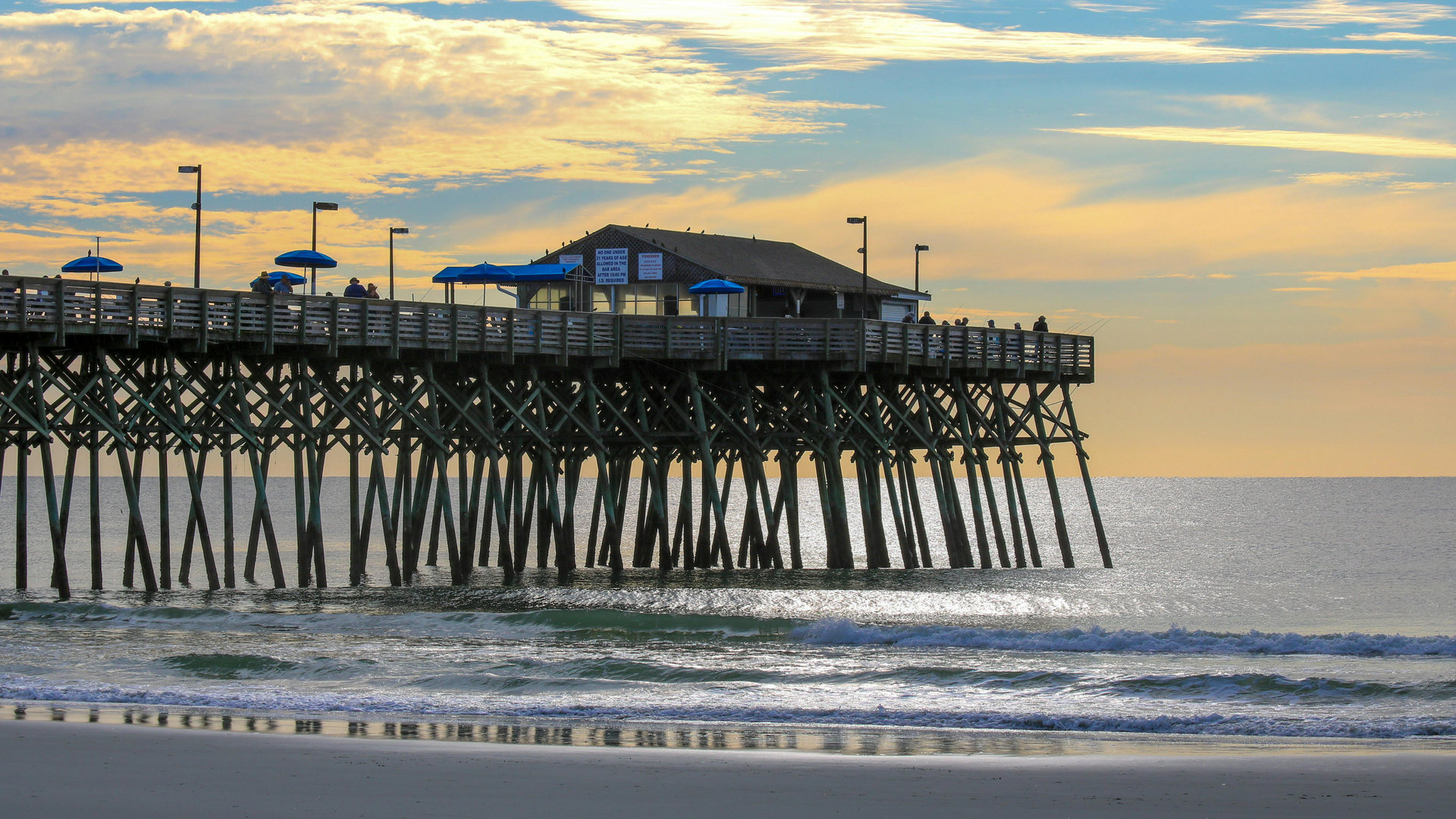
The Grand Strand continues to be one of South Carolina’s most sought-after stretches of coastline — from Little River down to Georgetown, and everywhere in between. With millions of visitors each year, it’s easy to understand why many property owners consider dipping their toe into the short-term vacation rental market.
While short-term rentals can look glamorous on the surface, the real value for most owners in this region often lies in long-term rentals. When looking at stability, cost, risk, and long-term return on investment, long-term leasing checks far more boxes.
Below is a deeper look at how the two models compare — and why long-term rentals continue to shine along the Grand Strand.
1. Consistency Is King: Stable Income Year-Round
The Grand Strand’s tourism market has a strong peak season, but off-season months can be unpredictable. Unlike short-term rentals that depend on nightly occupancy, long-term rentals provide steady, reliable income every month, regardless of weather, tourism trends, or the economy.
Why long-term is stronger here:
- Long-term tenants typically sign 12-month leases, minimizing vacancy gaps.
- Income doesn’t fluctuate between slow and peak seasons.
- Property owners can plan financially with confidence — no guessing games about how many nights will be booked.
For investors who prioritize predictable returns, long-term leasing is simply a safer, smoother ride.
2. Lower Operating Costs
Short-term rentals often require hotel-level turnover: frequent cleanings, guest communication, furnishing upkeep, marketing, booking management, and constant restocking. Over time, that workload can eat into profits - not to mention, your time.
With long-term rentals, the overhead can be much lower and less time consuming.
Benefits of long-term operations include:
- Far fewer turnovers, saving time and money.
- Tenants who care for the property like a home, not a weekend stay.
You spend less, the property experiences less strain, and your monthly net income is more predictable.
3. Fewer Regulatory Headaches
Across coastal South Carolina — including areas in and around Myrtle Beach — the regulatory landscape around short-term rentals continues to evolve. Zoning restrictions, registration requirements, permitting rules, occupancy limits, and taxation complexities can change quickly.
Long-term rentals, on the other hand, enjoy a far more stable regulatory environment. They’re not subject to hotel-level taxes or the same level of municipal scrutiny. For owners who value simplicity and compliance, long-term rentals offer a clearer, more dependable path.
4. A Better Fit for Neighborhoods and Communities
Many local neighborhoods within the Grand Strand area were designed for full-time living, not weekend tourism. Long-term rentals support community stability by:
- Reducing traffic and noise concerns.
- Creating stronger neighbor relationships.
- Maintaining consistent occupancy encourages a more neighborly environment.
- Supporting the workforce that keeps the Grand Strand thriving year-round.
Communities often welcome responsible long-term rentals far more than revolving-door short-term ones. That goodwill can save owners headaches and contribute to long-term property value.
5. Long-Term Rentals Support Long-Term Wealth
While short-term rentals can sometimes generate strong income in peak season, the bottom line is often less impressive once you account for:
- Higher cleaning and turnover costs
- Costly furnishings
- Higher insurance premiums
- Marketing and platform fees
- Off-season dips
- Additional maintenance
- Increased risk of damages
With long-term rentals, operating margins are steadier — and your cash flow is more predictable. That predictability boosts your long-term return on investment and supports appreciation without the volatility.
6. Easier to Scale for Owners & their Property Managers
For owners building a portfolio — or for property managers supporting them — long-term rentals allow for efficient, scalable growth.
Advantages include:
- Standardized tenant screening and leasing processes
- Streamlined rent collection
- Predictable maintenance schedules
- Less time spent on daily communication
- Clearer financial forecasting
If you’re looking to build sustainable rental income, long-term leasing is simply more manageable at scale.
7. True Peace of Mind
The biggest advantage of long-term rentals is often the simplest: peace of mind.
Owners enjoy:
- Fewer emergencies
- Less day-to-day involvement
- Lower chance of sudden regulatory shifts
- Tenants who treat the property like home
- A smoother, more passive investment experience
Short-term rentals may offer excitement — but they can also bring unpredictability, stress, and unexpected costs. For most owners along the Grand Strand, long-term leasing provides a calmer, more consistent path to rental success.
In a region as dynamic as the Grand Strand, both rental models have their place, but when it comes to stability, sustainability, and long-term financial strength, long-term rentals offer undeniable advantages.
Whether you're a first-time landlord or an investor growing a portfolio, long-term leasing delivers a predictable income, lower overhead, regulatory stability, stronger community alignment, less stress, & more peace of mind.
Share this post