Normal Wear & Tear vs. Property Damage
A Beginner's Guide to Security Deposits in South Carolina
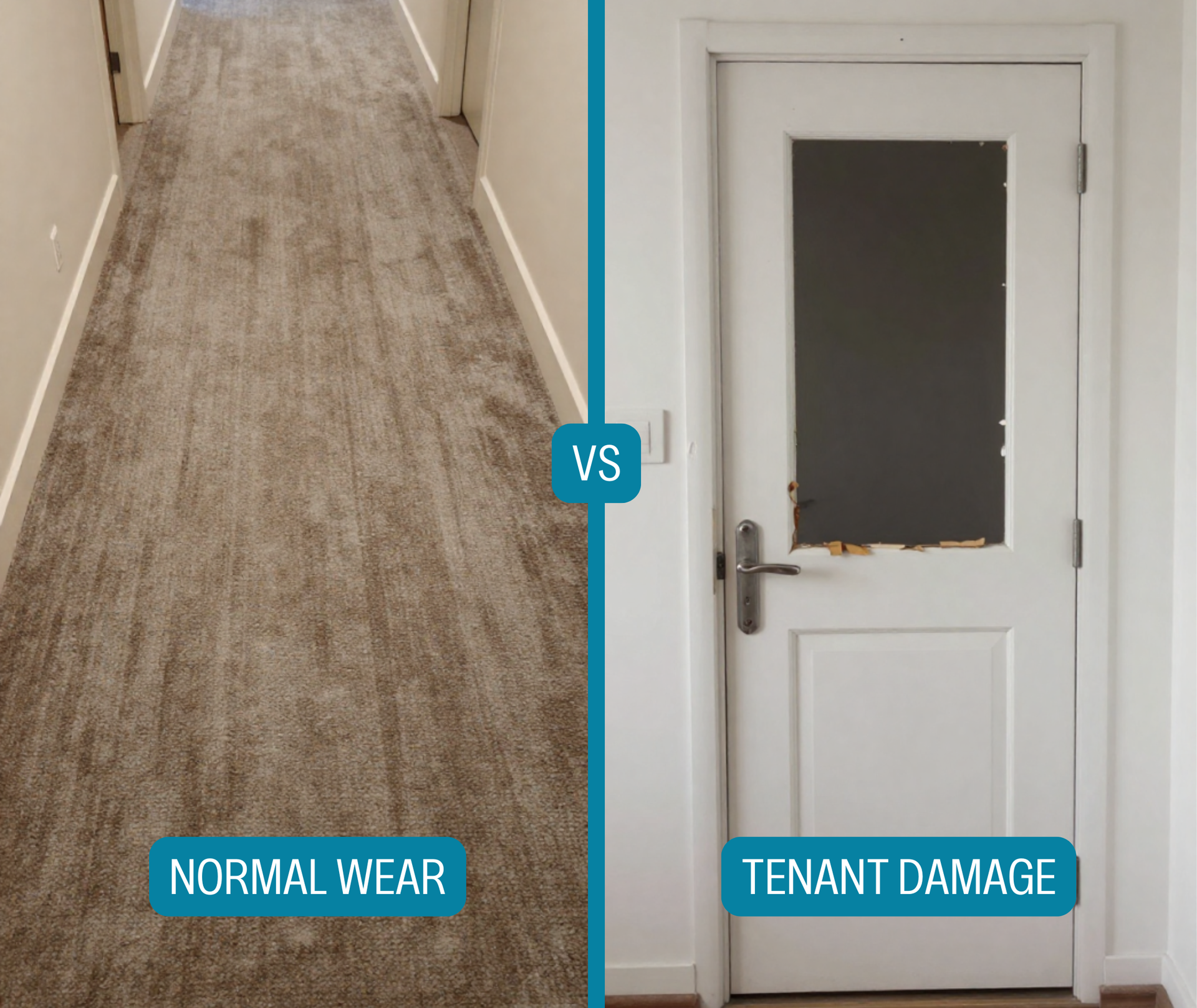
If you're a first-time landlord, one of the trickiest moments comes at the end of a lease, when a tenant moves out, and it's time to figure out what, if anything, you can keep from the security deposit. Let's break it down in plain language so you feel confident and protected.
What South Carolina Law Requires
Under the South Carolina Residential Landlord and Tenant Act, you have 30 days from the date a tenant vacates to either return the full deposit or provide a written, itemized statement of any deductions along with any remaining balance.
Miss that window, or skip the written documentation, and you could be required to return the entire deposit regardless of any damage. Mark that move-out date the moment you know it.
The Golden Rule
Normal wear and tear is the natural deterioration that happens through everyday living. Property damage is harm caused by misuse, neglect, or accidents.
Simple in theory, blurry in practice. Here's how to tell them apart.
Normal Wear & Tear: Not Deductible
These happen in every rental and are simply a cost of doing business:
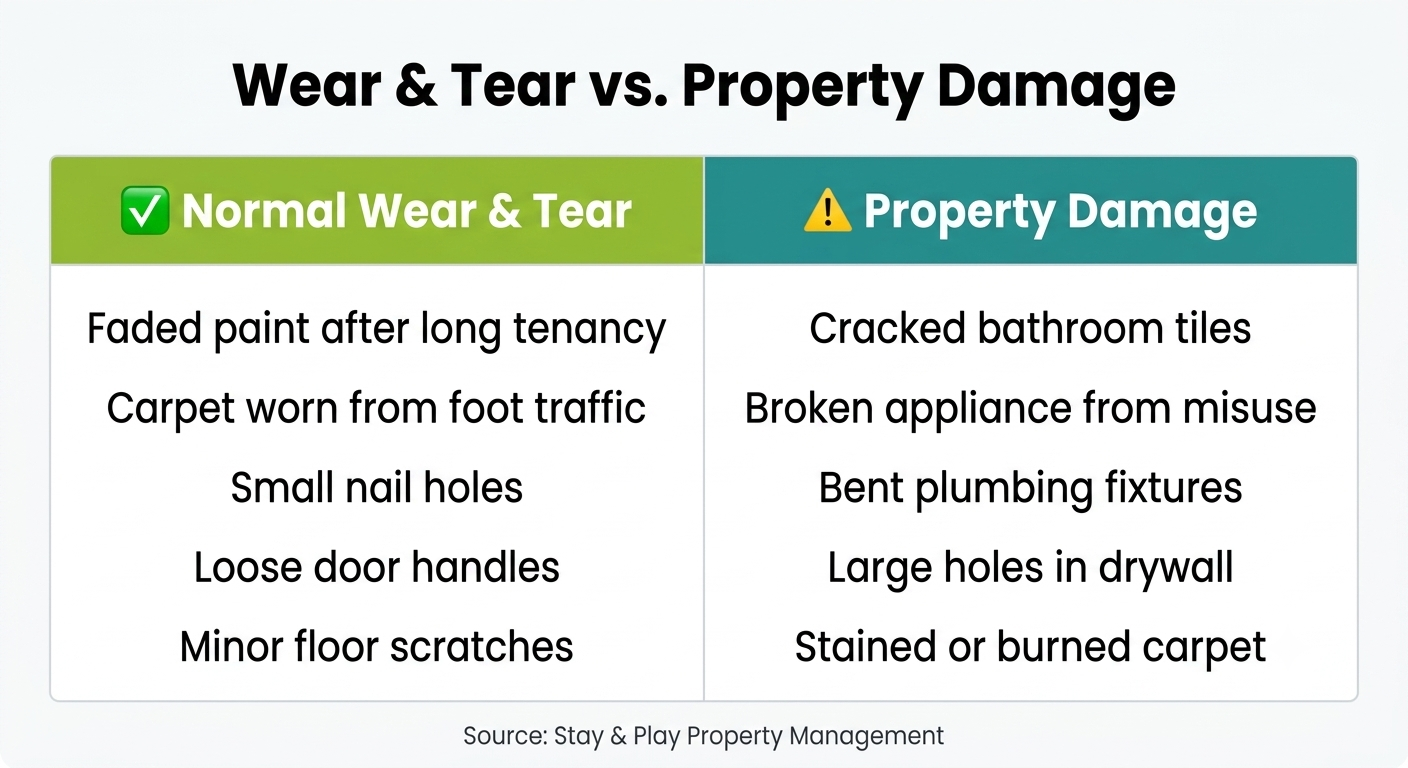
- Faded or lightly scuffed paint after a long tenancy
- Carpet worn down from regular foot traffic
- Small nail holes from hanging pictures
- Loose door handles or cabinet hinges from daily use
- Minor scratches on hardwood floors
If a reasonable person would expect it to happen just from living in a home, it's probably wear and tear.
Property Damage: Deductible
These go beyond reasonable use and can be legitimately charged back to the tenant:
- Cracked bathroom tiles from impact or force
- Broken appliances from misuse: like a dryer damaged from consistent overloading
- Bent or broken plumbing fixtures: faucet handles forced off, towel bars yanked from walls
- Large holes in drywall beyond normal picture-hanging
- Stained or burned carpet from pets, spills, or cigarette burns
- Unauthorized alterations like unapproved paint colors or structural changes
(See the comparison chart below for a quick side-by-side reference.
One More Thing: Depreciation Matters
You can't charge a tenant the full replacement cost of something that was already aging. If your carpet had a 10-year lifespan and was 8 years old, you can only charge for the remaining useful value, not a brand-new carpet. Keep records of when major items were last replaced so your deductions are always fair and defensible.
Protect Yourself With Documentation
The single best thing you can do as a landlord, before any dispute ever starts, is document everything.
- At move-in: Do a full walkthrough with your tenant, take timestamped photos and video, and use a signed move-in checklist
- At move-out: Repeat the process and compare conditions side by side
- Keep all receipts for any repairs or replacements you make
Strong documentation is your best protection if a deposit dispute ends up in small claims court.
Key Takeaways
- SC law gives you 30 days to return a deposit or provide itemized deductions in writing
- Wear and tear is not deductible. It comes with the territory of owning a rental
- Legitimate damage is deductible, but document it thoroughly
- Factor in depreciation when calculating deduction amounts
- A signed move-in/move-out checklist is your best friend
Need Help Managing Your Rental Property?
A local property management team can handle everything from move-in inspections to deposit disputes, keeping you compliant and protected. Whether you own one property or a growing portfolio across the Grand Strand, having the right support makes all the difference.
This post is for informational purposes only and does not constitute legal advice. Consult a licensed attorney for guidance specific to your situation.
Share this post