The Newbie's Guide to South Carolina Landlord-Tenant Law
What Every New Investor Needs to Know
Buying your first rental property in South Carolina is exciting. But before you hand over those keys, there's something just as important as finding the right tenant: understanding the rules you're required to follow as a landlord. The good news? South Carolina's core landlord-tenant laws aren't complicated once you see them laid out clearly. Let's walk through the basics every new investor needs to know.
Why This Matters More Than You Think
Landlord-tenant law isn't just legal fine print. It's the framework that governs your entire relationship with your tenants, and getting it wrong can be costly. Violations can lead to financial penalties, damaged tenant relationships, and even legal action. The rules are strict, but they're also straightforward once you know them.
Rule #1: Give 24-Hour Notice Before Entering
This one surprises a lot of first-time landlords, but it's non-negotiable.
Under South Carolina law, you must give your tenant at least 24 hours' notice before entering the property for any non-emergency reason. This includes routine inspections, maintenance visits, or showing the unit to prospective tenants.
What counts as an emergency? Think burst pipes, fire, or a situation where immediate access is needed to prevent serious damage or harm. In those cases, you may enter without advance notice. Everything else requires that 24-hour heads-up.
Why it matters: Your tenant's right to quiet enjoyment of the property is protected by law. Dropping by unannounced, even with good intentions, can put you in violation and damage the trust you've built with your tenant.
Best practice: Always give notice in writing. A text or email works and gives you a record. It protects both of you.
Rule #2: Begin Non-Emergency Repairs Within 14 Days
When a tenant notifies you of a maintenance issue in writing, the clock starts ticking.
South Carolina law requires landlords to begin remedying non-emergency repair requests within 14 days of receiving written notice from the tenant. This doesn't mean the repair has to be fully completed in 14 days, but you must take meaningful action to start addressing the issue within that window.
What qualifies as written notice? An email, a text message, or a formal letter. Anything documented works. Verbal complaints don't trigger the timeline, which is why it's smart to ask tenants to always submit maintenance requests in writing.
Why it matters: Failing to respond within the required timeframe can give tenants legal grounds to withhold rent or pursue other remedies under state law. Staying on top of repairs isn't just good property management — it's a legal obligation.
A Few More Basics Worth Knowing
While notice and repairs are two of the most commonly misunderstood rules, they're not the only ones. Here are a few more foundational points to keep in your back pocket:
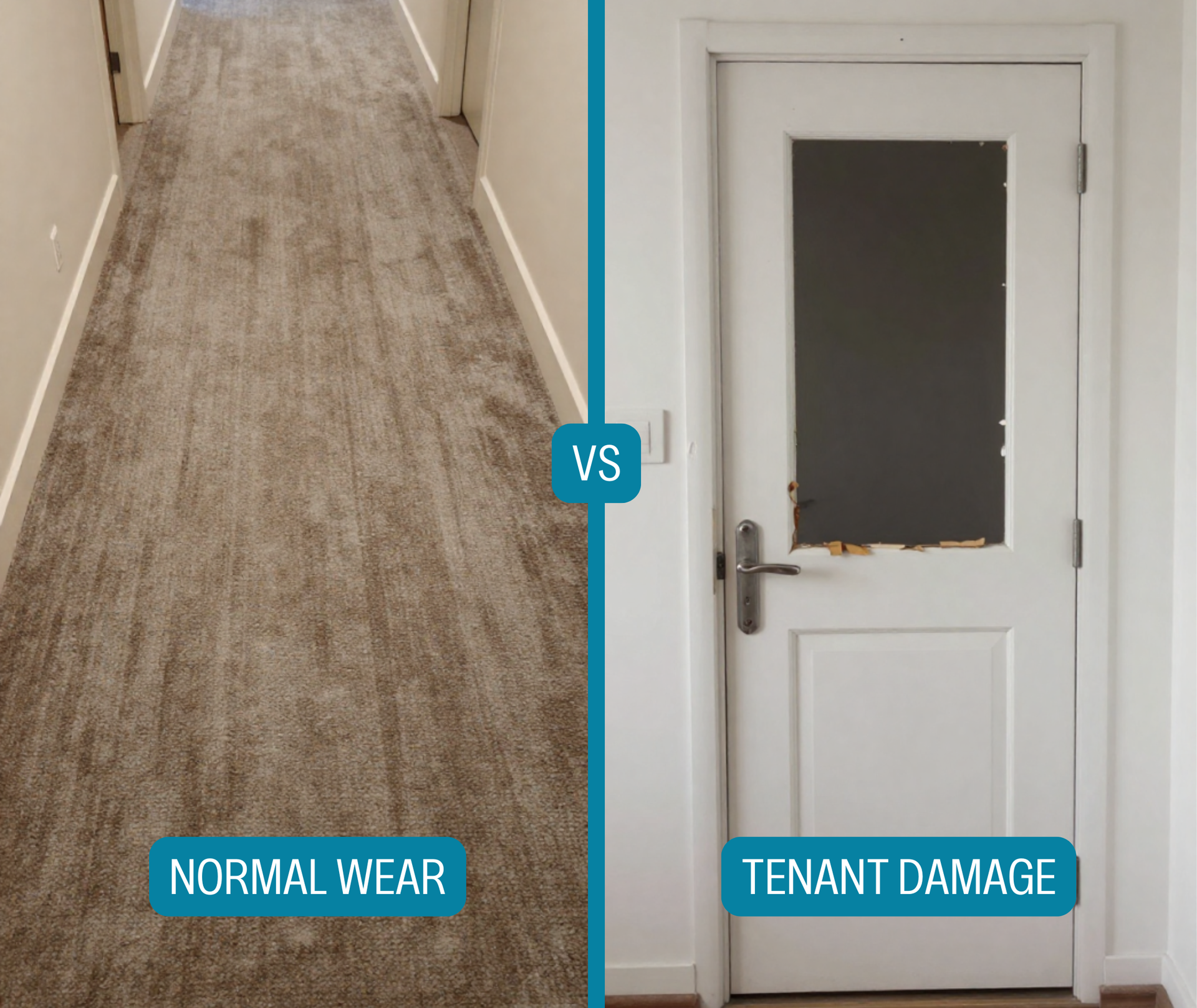
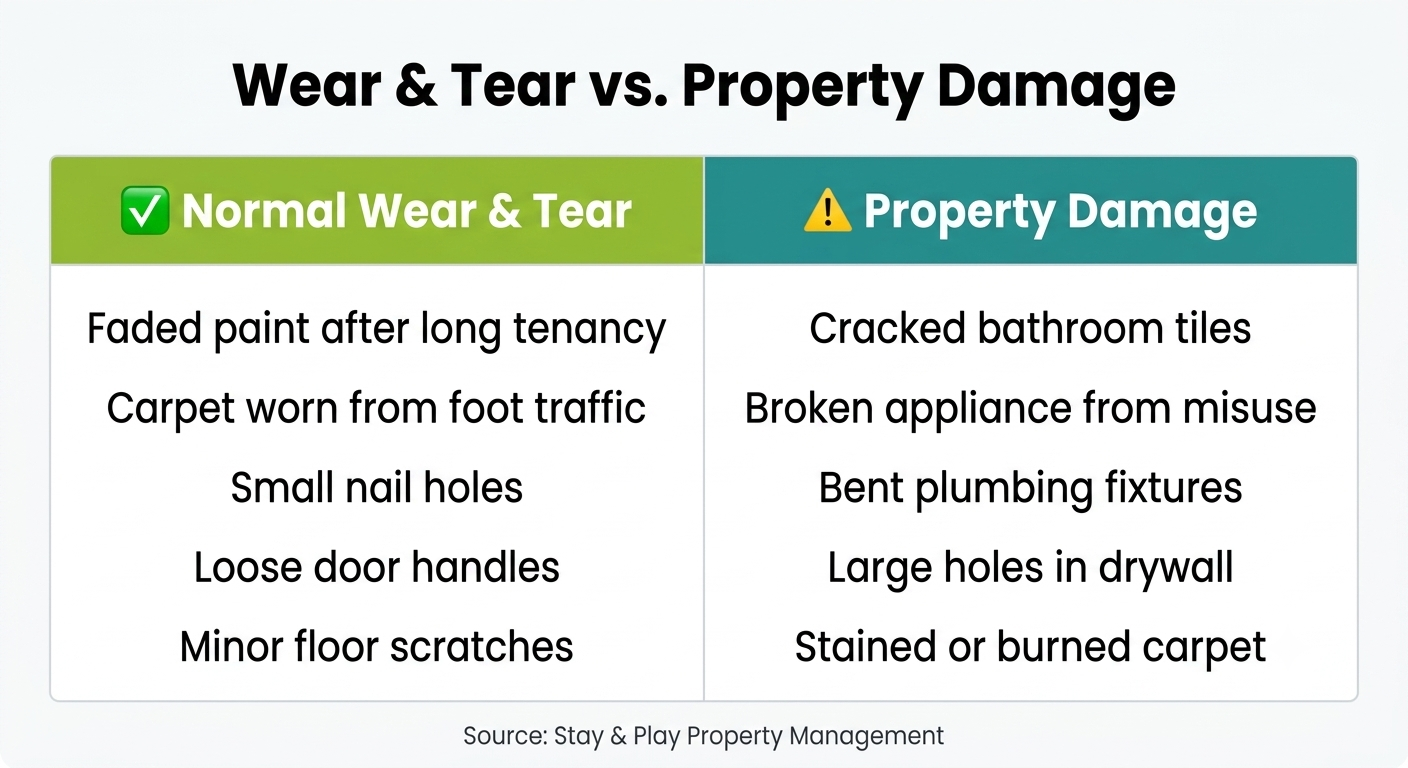
- Security deposits must be returned, or accounted for with an itemized written statement, within 30 days of move-out (check out our full post on wear and tear vs. property damage for a deep dive on this one)
- Lease agreements should be clear, written, and signed by all parties before a tenant takes possession
- Habitability is your responsibility. Landlords are required to maintain rental units in a safe and livable condition throughout the tenancy, not just at move-in
The Bottom Line
South Carolina's landlord-tenant rules are designed to protect both parties, and following them consistently is one of the best things you can do for your investment. Here's your quick-reference checklist:
Don't Go It Alone
Learning the rules is step one. Applying them consistently across every tenant, every lease, and every maintenance call is where most new landlords need support.
A local property management team handles the day-to-day details so you stay compliant, protected, and focused on growing your investment. From the Grand Strand to communities across South Carolina, we're here to help you with confidence.
This post is for informational purposes only and does not constitute legal advice. Always consult a licensed attorney for guidance specific to your situation.
Share this post